t: +44 (0) 1392 436 258

e: info@themusicdepot.co.uk

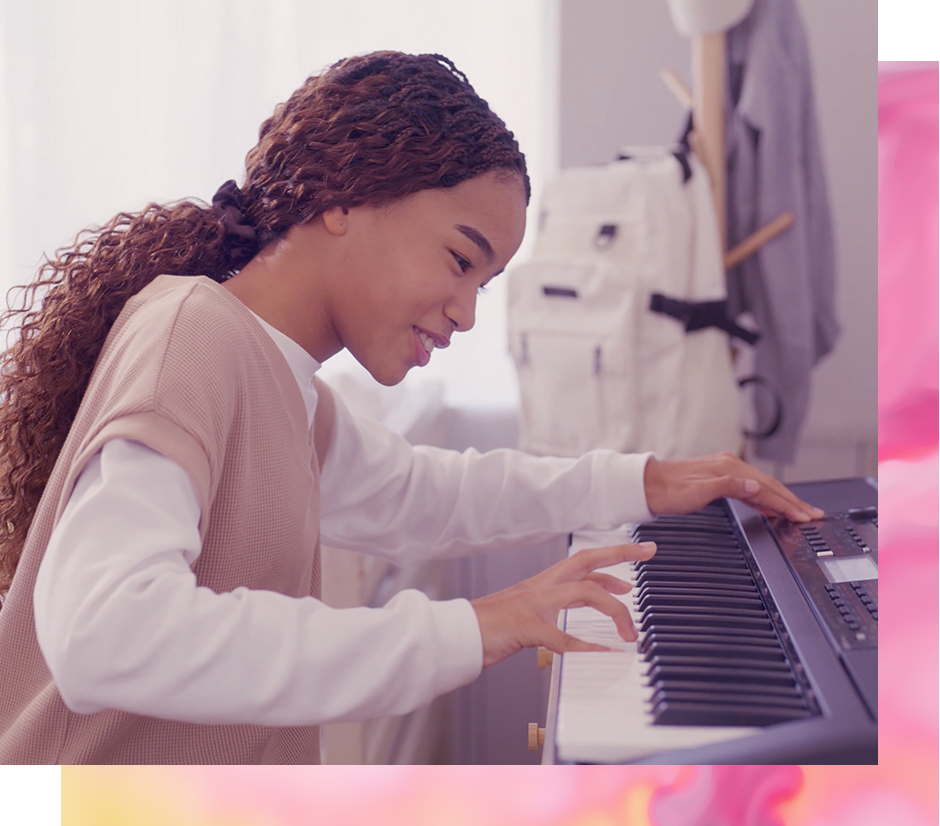
Young girl playing piano learning how to become a better musician

How to Become a Better Musician in 2026: 5 Tips from The Music Depot

By: Stacey

If you’re wondering how to become a better musician in 2026, here’s the thing: it isn’t just about putting in more hours this year. The secret to success is practising smartly, expanding your skills, and looking after your wellbeing too. Not sure what we’re talking about? Read on and discover five practical tips that can help you make real progress.

1. Practice Smarter, Not Just Longer

Effective practice is about focus and structure, not just spending hours playing the same favourite songs on your instrument (although that helps too!)

Key Strategies:

  • Set Clear Goals: Identify what you want to improve - technique, timing, or repertoire?

  • Use a Metronome: Keeping a consistent tempo improves accuracy and timing.

  • Keep a Practice Journal: Track your progress, note problem areas, and set milestones.

  • Break it Down: Focus on small sections of music rather than attempting entire pieces at once.

Smart practice ensures you gain more in less time and prevents frustration or burnout.

2. Expand Your Musical Knowledge

Learning music theory and exploring new genres can transform your playing. Understanding how music works will give you a stronger foundation to experiment more creatively with the form.

Ideas to Expand Knowledge:

  • Study scales, chords, and harmonics relevant to your instrument.

  • Listen to different genres and analyse arrangements.

  • Follow the work of accomplished musicians to understand their techniques.

  • Attend workshops, masterclasses, or online courses to broaden your musical vocabulary.

By expanding your knowledge, you’ll not only play more confidently but also connect with music on a deeper level.

3. Record Yourself and Seek Feedback

Recording your practice sessions is an essential step in self-assessment. You might feel self-conscious at first, but this practice allows you to hear mistakes that you may not notice while playing.

How to Make the Most of Recording:

  • Record both short exercises and full pieces.

  • Listen critically and note areas for improvement.

  • To start with, basic tools, like a smartphone or a simple audio interface are enough to start recording and tracking progress, but you may wish to upgrade your equipment further down the line.

  • Share recordings with teachers, peers, or online music communities for constructive feedback.

Feedback is invaluable for growth. If you want to become a better musician, you need to be able to listen and take constructive criticism on board. Use it to fuel your practice. Even small adjustments in technique or tone can make a significant difference over time.

4. Train Your Ear and Improve Sight-Reading

Developing a strong ear and sight-reading skills allows you to play more intuitively and adapt to new music more quickly.

Daily Exercises to Try:

  • Ear Training Apps: Use apps to recognise intervals, chords, and melodies.

  • Transcribe Music: Listen and write down short pieces to improve listening skills.

  • Sight-Reading Practice: Start with simple sheet music and gradually increase difficulty.

  • Play Along: Match recordings of your favourite songs to enhance timing and pitch accuracy.

Regular ear and sight-reading training ensures you stay versatile and confident as a musician.

5. Prioritise Wellbeing

You’ve probably not even thought of this one - but your physical health directly affects your musical ability, especially when it comes to performances. Proper posture, hand technique, and self-care help prevent injuries and keep you motivated.

Wellness Tips for Musicians:

  • Stretch your hands, wrists, and shoulders before and after practice.

  • Take regular breaks to avoid fatigue.

  • Maintain a balanced lifestyle with exercise and good nutrition.

  • Use mindfulness or breathing exercises if you suffer from performance anxiety.

A healthy musician is a better musician! Taking care of yourself ensures long-term progress and enjoyment.

Make 2026 Your Most Musical Year Yet

Knowing how to become a better musician in 2026 isn’t about shortcuts - it’s about consistent, deliberate practice, expanding your knowledge, and looking after your wellbeing. By following these five tips, you can achieve measurable improvements, enjoy your instrument more, and reach your musical goals.

At The Music Depot, we’re here to support your journey, whether you need quality instruments, practice tools, or expert guidance. Start today and make 2026 your most musical yet!

FAQs

  1. How often should I practice to improve as a musician?
    Daily practice is ideal, even if it’s 20–30 focused minutes. Quality beats quantity.
  2. Can beginners benefit from ear training?
    Absolutely. Ear training from the start helps build a strong musical foundation and faster progress.
  3. Should I invest in recording equipment as a beginner?
    Basic tools, like a smartphone or simple audio interface, are enough to start recording and tracking progress.
  4. How important is music theory for self-taught musicians?
    Music theory enhances understanding, aids improvisation, and helps you communicate with other musicians.
  5. What is the best way to prevent injury while playing an instrument?
    Maintain correct posture, stretch regularly, take breaks, and avoid over-practising.


Subscription Form

Address

99-101 Fore St.
Exeter
Devon
EX4 3HY

United Kingdom

Opening Times

Mon - Sat:  10am-5pm
Sunday: Closed

© Copyright 2024 The Music Depot All Rights Reserved - Web Design by Edworthy Media And Technology Limited
linkedin facebook pinterest youtube rss twitter instagram facebook-blank rss-blank linkedin-blank pinterest youtube twitter instagram