

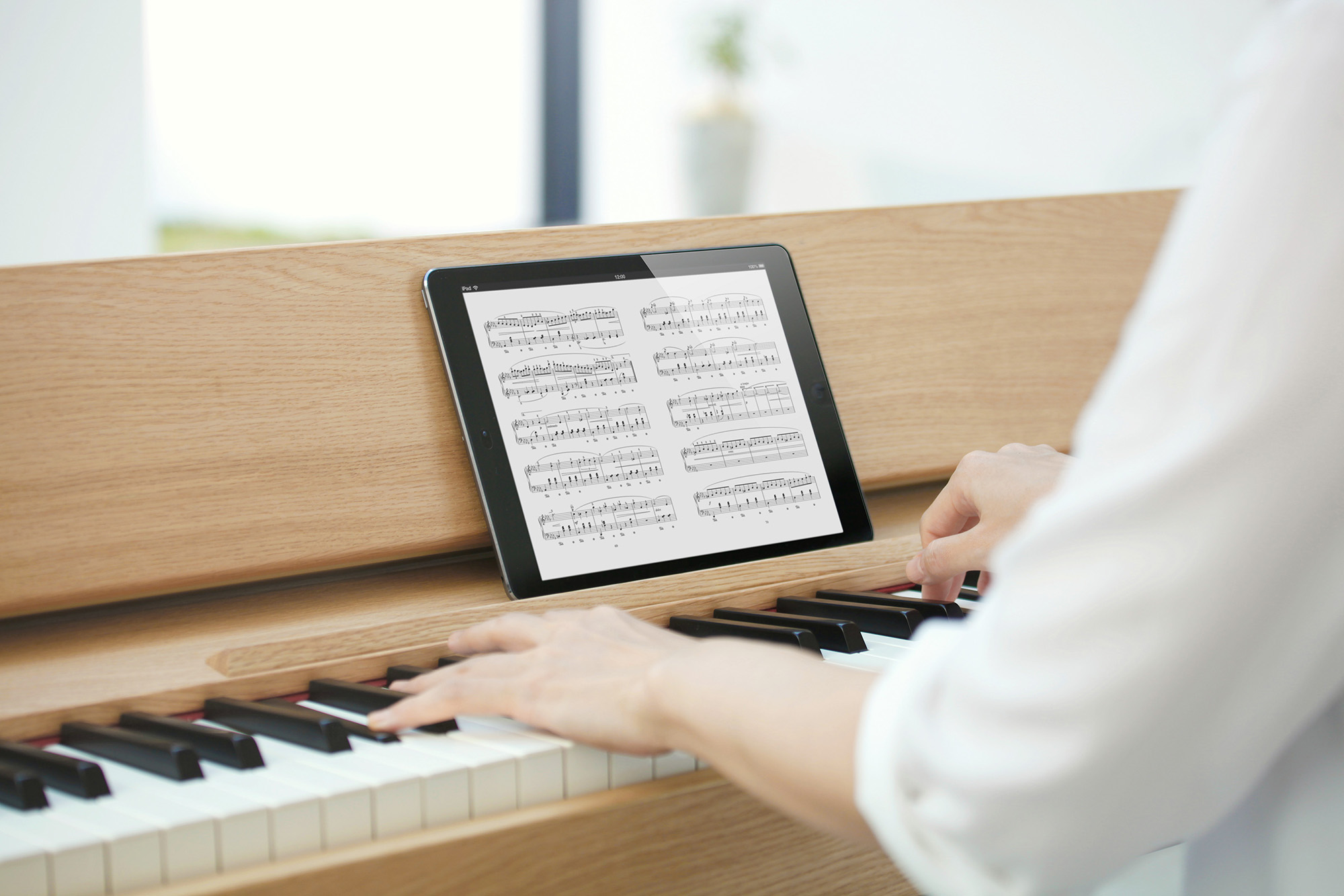
Online learning has become a normal part of education in recent years, but one question remains for many instrumental novices: are online music lessons effective? With new digital platforms, virtual classrooms, and professional tutors offering lessons online, music education has become more accessible than ever before. However, it’s hard to know whether these online offerings really live up to the hype. This article explores whether online music lessons truly work, how effective they are for beginners, and how to make the most of them.
The last decade has seen a rise in online music education. From piano and guitar to vocals and drums, students can now learn almost any instrument from home. Platforms like Zoom, Skype, and dedicated music-learning apps have made it possible for anyone to connect with experienced teachers worldwide.
For many learners, especially beginners, the answer to “are online music lessons effective?” comes down to personal learning style and access to quality instruction. The convenience of learning from home has transformed how people engage with music, removing traditional barriers like location, scheduling, and travel time.
One of the biggest benefits of online music lessons is flexibility. You can schedule lessons at times that suit you, whether it’s after school, work, or during weekends - and you don’t have to account for any travel time. This flexibility allows learners to build consistency and fit music practice around busy lives.
With online music lessons, location no longer limits your choice of tutor. Beginners here in Exeter, for example, can access world-class teachers from across the UK or even internationally. This broad reach means you can find a tutor whose teaching style and expertise best match your goals and budget.
Many platforms allow teachers to record sessions, track progress, and share tailored materials. Whether you’re learning piano, electric guitar, or vocal techniques, online tutors can adapt lessons to your pace and skill level. In this way, online music lessons can be effective at creating a personalised and engaging learning experience.
While there are clear benefits, it’s important to acknowledge the challenges.
Internet connection issues, poor audio quality, and software glitches can occasionally disrupt lessons. Investing in a stable internet connection and a good-quality microphone can make a big difference to lesson quality.
In-person lessons allow teachers to physically adjust a student’s posture or hand position, something that’s harder to achieve online. However, high-quality video demonstrations and multi-angle camera setups can help bridge this gap.
Despite these challenges, online music lessons remain effective for most beginners when supported by clear communication and a reliable digital setup.
If you’re considering starting online lessons, here are a few practical tips to make the most of your learning experience:
With the growing number of music learning apps available - such as Yousician, Simply Piano, and Fender Play - many beginners are also wondering: are online music lessons effective when delivered through apps?
Music apps can be a great starting point for self-motivated learners. They often include interactive tutorials, progress tracking, and instant feedback on performance. For example, an app might detect whether you’ve hit the right notes on your guitar or played the correct rhythm on a keyboard. This kind of immediate feedback helps reinforce good habits and keeps beginners motivated.
However, while apps are useful tools, they can’t replace the value of real-time instruction from an experienced teacher. Human tutors can spot subtle issues - like hand tension, timing errors, or phrasing problems - that apps might miss. They can also adapt lessons to suit your individual goals and musical style, something automated platforms can’t fully replicate.
In short, app-based learning is effective for developing basic skills and maintaining daily practice, but the most successful students often combine app use with guided online or in-person lessons. This blended approach offers the best of both worlds: the flexibility of technology and the personal touch of expert tuition.
Deciding whether online lessons or app-based learning are right for you ultimately depends on your personality and goals. If you value structure, convenience, and flexibility, then online learning is an excellent choice. However, if you thrive on in-person interaction or struggle with motivation, traditional lessons might be better.
Ultimately, the effectiveness of online music lessons depends on how you use the resources available. Many students find that online platforms give them the freedom and confidence to learn at their own pace, which often leads to long-term success.
For most beginners, the answer is yes. Online learning can offer flexibility, accessibility, and the opportunity for personalised progress. A self-motivated musician, with the right setup, attitude, and support, can find online learning just as valuable as face-to-face sessions.
If you’re looking for a music tutor, check out our recommendations here.
Mon - Sat: 10am-5pm
Sunday: Closed

99-101 Fore St.
Exeter
Devon
EX4 3HY
United Kingdom
Mon - Sat: 10am-5pm
Sunday: Closed