

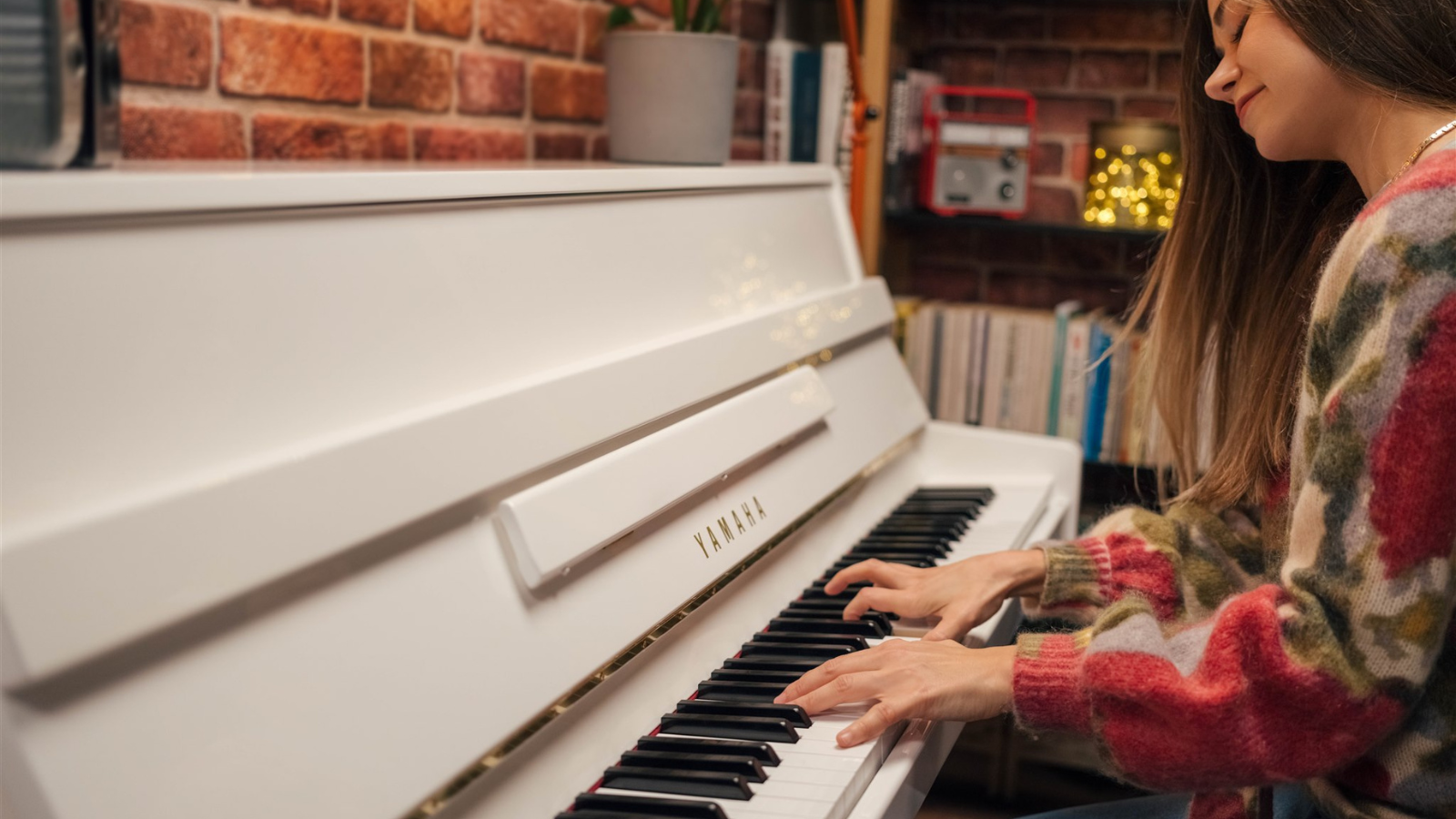
Learning to play the piano is an exciting journey, but one of the first decisions aspiring pianists face is whether to take formal piano lessons or go down the self-taught route. With the rise of online tutorials, apps, and self-guided courses, teaching yourself to play the piano has never been more accessible. However, working with a professional piano tutor offers structure and personalised guidance that self-learning often lacks. So, which is the best option for you? Let's explore the advantages and disadvantages of both methods.
Hiring a piano tutor remains one of the most effective ways to learn the instrument. Here are some of the main benefits:
A professional tutor will create a structured learning plan tailored to your ability and goals. They can ensure you master fundamental techniques before progressing to more advanced pieces, reducing the risk of developing bad habits.
One of the key benefits of taking piano lessons is receiving instant feedback. A tutor can correct mistakes in technique, hand positioning, and posture in real time, helping you improve more efficiently.
Regular lessons with a tutor help keep students motivated. Having someone to guide you and hold you accountable ensures steady progress, making it less likely that you will become frustrated and give up.
A tutor can introduce you to different musical styles and genres, expanding your knowledge and helping you become a more versatile pianist. They can also recommend pieces suited to your skill level, keeping your learning experience engaging and challenging.
If you aim to take graded music exams or perform publicly, working with a tutor is invaluable. They can help you prepare for assessments, refine your technique, and build confidence in your abilities.
While learning with a tutor has many advantages, it does come with some downsides:
With modern technology, teaching yourself piano is more feasible than ever. Here are some of the advantages:
One of the biggest perks of self-learning is the ability to practice whenever it suits you. There’s no need to adhere to a fixed lesson schedule, making it ideal for those with irregular routines.
Self-teaching is often more affordable than hiring a tutor. Many online resources, apps, and YouTube tutorials are free or available at a lower cost than in-person lessons.
Self-learning allows you to progress at a comfortable speed. You can spend more time on challenging sections without feeling pressured to keep up with a tutor’s lesson plan.
There are countless online tutorials, sheet music websites, and interactive apps like Simply Piano or Flowkey that make learning accessible to anyone with a piano or keyboard.
While self-teaching has its benefits, there are some potential downsides to consider:
Ultimately, the choice between piano lessons and self-teaching depends on your learning style, goals, and budget. If you’re looking for structured guidance, faster progress, and expert feedback, investing in a piano tutor may be the best route. However, if you’re motivated, disciplined, and prefer a flexible learning approach, self-teaching can be highly rewarding - especially if you already play another instrument. Remember, it doesn’t have to be as black and white as piano lessons or self-taught: the best option overall could be a mix of both!
If you're considering working with a tutor, check out our recommended piano instructors at The Music Depot. Whether you choose professional lessons or the self-taught route, the most important thing is to enjoy the process and keep playing!
FAQs
You can teach yourself piano, but it requires self-discipline and patience. Piano lessons are better for structured guidance, fast progression and avoiding bad habits.
Piano lessons are generally more effective for beginners, offering a strong foundation in technique and theory. Self-teaching can work but may lead to slower progress and poor habits.
Lessons offer structured learning and quick feedback but come with time and cost commitments. Self-teaching is flexible and affordable but can lack direction and immediate correction.
Private piano lessons typically cost between £25 to £60 per hour, depending on the teacher's experience and location. Rates may be higher in major cities like London. Some teachers also offer discounts for group lessons.
Start with basic music theory and use online tutorials or apps. Focus on mastering one skill at a time and regularly assess your progress. Be patient as self-teaching may take longer than lessons.
Mon - Sat: 10am-5pm
Sunday: Closed

99-101 Fore St.
Exeter
Devon
EX4 3HY
United Kingdom
Mon - Sat: 10am-5pm
Sunday: Closed